


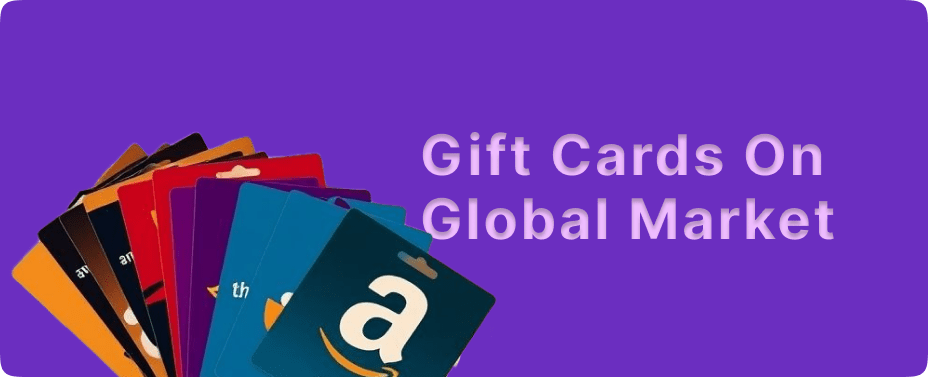
The digital economy has transformed everyday transactions into borderless exchanges, and nowhere is this more evident than in the rise of Gift Cards On Global Market. What was once a simple prepaid option for retail shopping has evolved into a powerful financial instrument traded, exchanged, and even invested in across continents. From individuals looking to convert unused balances to entrepreneurs leveraging arbitrage opportunities, gift cards now move through a dynamic ecosystem shaped by demand, trust, and technology. Understanding how this system works reveals not just a trend, but a thriving global network influencing both commerce and digital finance.
The Origin of Value Circulation
Every gift card begins with a purchase, often tied to major global brands like Amazon, Apple, Google Play, Steam, Walmart, and Sephora. These cards carry stored value, but their journey rarely ends with the original buyer. Instead, they enter circulation as tradable digital assets. A card purchased in the United States may end up being redeemed or resold in Nigeria, the UK, or Asia within minutes.
This fluidity is driven by varying regional demands. For instance, an iTunes or Apple gift card may hold higher resale value in markets where access to international payment methods is limited. This disparity fuels a global loop where buyers, traders, and resellers continuously move value from one region to another, ensuring that no card remains unused for long.
Cross-Border Exchange Dynamics
The international movement of gift cards depends heavily on exchange ecosystems. These systems connect sellers who want liquidity with buyers seeking discounted value. In this space, timing, rates, and verification processes determine profitability.
A trader in Lagos, for example, may acquire a Steam or Google Play card from a seller abroad and exchange it for local currency at a competitive rate. This process is often faster than traditional banking systems and avoids the friction of cross-border payment restrictions.
Services on Regiftme have become part of this ecosystem, helping facilitate smoother exchanges and improving accessibility for users navigating international trades. By bridging geographic gaps, Regiftme contributes to the efficiency and reliability that keeps the market active.
The Role of Arbitrage Opportunities On Global Market
One of the most fascinating aspects of this industry is arbitrage, the practice of buying low in one market and selling higher in another. Because gift card values fluctuate based on demand, savvy traders constantly monitor price differences across regions.
For example, an Amazon card purchased at a discount in one country can be sold at a higher rate where demand is stronger. This creates a cycle where traders act as intermediaries, balancing supply and demand globally.
The presence of Regiftme in this process adds a layer of convenience, allowing traders to identify favorable rates and execute transactions more efficiently. These opportunities not only drive profit but also ensure that gift cards retain liquidity across markets.
Gift Cards On Global Market On Cryptocurrency Systems
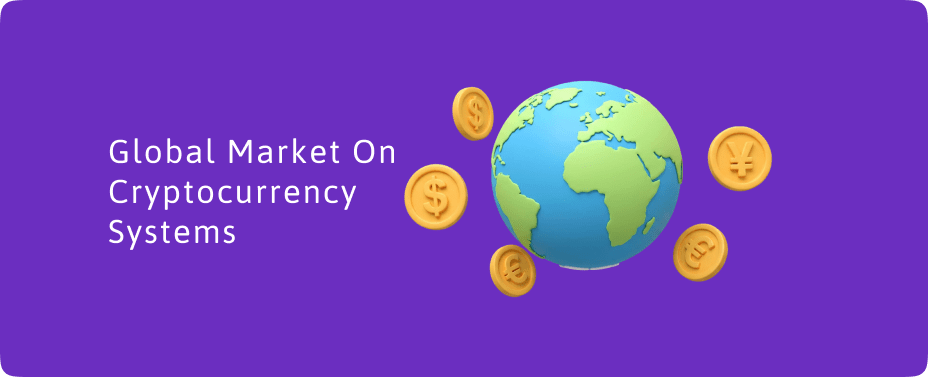
As digital finance evolves, the intersection between gift cards and cryptocurrency has become increasingly prominent. Many traders now convert gift cards into Bitcoin, Ethereum, or USDT as a way to store value or move funds internationally.
This integration provides several advantages. Cryptocurrency transactions are fast, decentralized, and often more accessible than traditional banking channels. For users in regions with limited financial infrastructure, converting gift cards into crypto offers a practical gateway into global finance.
Regiftme platform supports this transition by enabling users to exchange gift cards seamlessly, which can then be redirected into crypto assets. This connection between two digital economies strengthens the overall market and expands its reach.
Security, Verification, and Trust Of Gift Cards On Global Market
Trust is the backbone of any financial ecosystem, and the gift card market is no exception. Because transactions are often irreversible, verifying the authenticity of a card is crucial. This includes checking card balances, ensuring codes are unused, and confirming brand legitimacy.
Fraud risks exist, but advancements in verification technology and secure transaction methods have significantly reduced these concerns. Traders now rely on escrow systems, instant validation tools, and reputation-based networks to protect their assets.
Regiftme plays a role in enhancing this trust by offering structured processes that minimize risk and promote transparency. As the market matures, security measures continue to evolve, making transactions safer for both beginners and experienced traders.
Gift Cards On Global Market Influence of Major Brands
The strength of the global gift card market is closely tied to the popularity of certain brands. Cards from companies like Amazon, Apple, Google Play, Steam, Nike, and eBay dominate trading activity due to their universal appeal and high demand.
These brands provide products and services that are widely consumed, making their gift cards valuable across different regions.
This widespread usability ensures that these cards remain in constant circulation. Their reliability and recognition make them the backbone of global trading, attracting both individual users and large-scale traders.
Digital Transformation and Accessibility
Technology has played a major role in shaping how gift cards move globally. Mobile apps, instant messaging, and digital wallets have simplified the process of buying, selling, and exchanging cards.
Today, a user can complete a transaction within minutes using just a smartphone. This level of accessibility has opened the market to a wider audience, including students, freelancers, and small business owners.
Regiftme continues to be part of this digital shift, offering users a streamlined way to engage with the market. As more people gain access to smartphones and internet connectivity, the growth of the gift card economy is expected to accelerate.
Economic Impact and Opportunities

Beyond individual transactions, the global movement of gift cards contributes to broader economic activity. It creates income opportunities, supports digital entrepreneurship, and provides an alternative financial system for underserved populations.
In countries where traditional banking is limited, gift card trading offers a practical way to earn, save, and transfer value. It also enables cross-border commerce without the need for complex financial infrastructure.
Entrepreneurs have built entire businesses around this ecosystem, from trading operations to educational content and brokerage services. The market’s flexibility allows participants to scale their involvement based on experience and resources.
Future Trends and Innovation
Looking ahead, the evolution of the gift card market will likely be shaped by innovation. Blockchain technology, smart contracts, and decentralized finance could introduce new ways to verify and trade digital assets.
We may also see increased integration with e-commerce platforms, allowing users to convert gift cards directly into goods or services without intermediaries. Artificial intelligence could further enhance pricing models, helping traders identify optimal exchange rates in real time.
A Connected Financial Ecosystem
The journey of a gift card from purchase to global exchange illustrates the interconnected nature of modern finance. What begins as a simple prepaid option becomes part of a complex network involving traders, brands, and digital currencies.
This system thrives on movement, driven by demand, innovation, and the constant search for value. It reflects a shift toward more flexible and accessible financial solutions, where individuals can participate regardless of location.
