


There’s something powerful about consistency. In a fast-moving digital space like gift card trading, where rates fluctuate almost unpredictably, most people rely on guesswork. But what happens when you slow down, observe, and commit to Tracking Gift Card Rates every single day for a full month?
That was exactly the experiment. For 30 days, I monitored different gift cards Steam, iTunes, Amazon, and others alongside crypto trends like USDT. The goal wasn’t just to see numbers rise or fall, but to understand behavior, patterns, and timing. What I found wasn’t just data. It was an insight that can completely reshape how you trade.
The Reality of Tracking Gift Card Rates Daily
At first, it feels unnecessary. Checking rates every day might seem like too much effort, especially if you’re used to quick trades and instant decisions. But consistency reveals what random checks never can.
Over time, patterns begin to form. Certain days consistently show better rates. Some cards spike unexpectedly, while others move slowly and steadily. When you commit to Tracking Gift Card Rates daily, you begin to notice that the market isn’t chaotic, it’s simply misunderstood.
This realization changes your approach. Instead of reacting emotionally, you begin to act with intention and awareness.
Why Timing Matters More Than You Think
Most traders lose money not because of bad cards, but because of poor timing. Selling too early or too late can quietly eat into your profit without you even noticing.
When you start observing trends closely, you begin to understand when demand is highest. Amazon and iTunes cards, for instance, often perform better during periods of high digital spending, while Steam cards may spike during gaming seasons or promotional windows.
This awareness helps you avoid rushed decisions. You begin to wait for the right moment instead of settling for whatever rate is available.
Tracking Gift Card Rates Across Different Cards
Not all gift cards behave the same, and this became very clear within the first week of observation.
Steam cards showed sudden spikes, often linked to gaming trends. iTunes cards maintained more stability but revealed small increases during weekends. Amazon cards, on the other hand, were heavily influenced by online shopping habits.
By Tracking Gift Card Rates across multiple cards, you begin to see the advantage of diversification. Instead of depending on one type of card, you create more opportunities to maximize value.
The Hidden Influence of Crypto While Tracking Gift Card Rates

Crypto plays a bigger role than most traders realize. During the 30-day period, there were moments when USDT demand increased significantly.
Interestingly, during those periods, gift card rates either slowed down or adjusted slightly. Traders were shifting focus, moving funds between crypto and gift cards, which affected overall demand.
Tracking Gift Card Rates alongside crypto movements gives you a deeper understanding of the market. It allows you to anticipate changes rather than react to them.
What Weekends Revealed About Buyer Behavior
Weekends brought a surprising level of activity. While some expect trading to slow down, the opposite often happens.
There’s increased demand, quicker transactions, and sometimes better rates. People have more time, and digital purchases tend to rise. This was especially noticeable with iTunes and Amazon cards.
Understanding this pattern helps you plan better. Instead of selling randomly, you begin to align your trades with periods of higher activity.
Mid-Month Patterns From Tracking Gift Card Rates
Around the middle of the month, the market tends to behave differently. Rates often stabilize or dip slightly before picking up again toward the end.
This could be linked to spending cycles or general financial patterns. Whatever the reason, Tracking Gift Card Rates during this period helps you avoid unnecessary losses.
Instead of selling during a dip, you learn to wait. And that patience often translates into better returns.
Tools That Make Tracking Gift Card Rates Easier
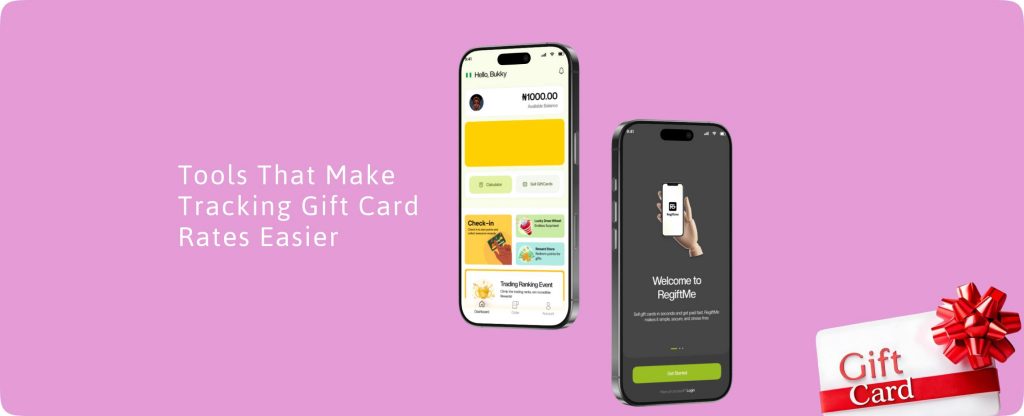
Tracking manually can be stressful and inconsistent. Having a reliable system makes a huge difference.
Regiftme proved to be very helpful during this process. It provided steady updates and made it easier to compare rates across different cards without confusion. With the right tool, you don’t just track what you understand.
For faster communication or quick transactions, reaching out via WhatsApp (+852 6500 7161) can also save time, especially when timing is critical.
Emotional Discipline While Tracking Gift Card Rates
One of the biggest lessons from this journey wasn’t about numbers, it was about control.
Watching rates drop can create panic. Seeing them rise can create urgency. But Tracking Gift Card Rates teaches you to stay grounded. You begin to rely on patterns instead of pressure.
This emotional discipline helps you make smarter decisions. You stop chasing the market and start understanding it.
Mistakes That Become Clear Over Time
Consistency exposes mistakes that would normally go unnoticed.
Selling too quickly after a small increase, ignoring patterns, or focusing on only one type of card are all common errors. These habits can quietly reduce your overall profit.
But once you start observing daily, these mistakes become obvious. You begin to correct them naturally, improving your strategy without even forcing it.
Conclusion
After 30 days, one thing became clear: this isn’t just about watching numbers. It’s about understanding behavior.
Gift card trading is influenced by timing, demand, global trends, and even crypto movements. When you take the time to observe, everything starts to connect.
Using tools like Regiftme and staying accessible through WhatsApp (+852 6500 7161) helps you stay ahead, but the real advantage comes from consistency and awareness.
If just 30 days of tracking can reveal this much, imagine what could happen if you made it part of your long-term strategy?
