


The first time someone handed me a gift card, I smiled politely and said thank you. But deep down, I wondered what it truly meant. Was it just a plastic card with numbers? Was it simply store credit? Or was it something more powerful hiding behind that tiny strip of code?
Over time, I discovered that a gift card is far more than a convenient present. It is a financial tool, a digital asset, and sometimes even an emergency solution. Understanding it properly changes how you use it and how you value it.
So let’s break it down clearly, simply, and completely.
What is a Gift Card and Why Does It Exist?
At its core, a gift card is a prepaid card loaded with a specific monetary value. It allows the holder to purchase goods or services from a particular store or platform without using cash or a bank card.
Gift cards exist because they make gifting easier. Instead of guessing someone’s size, taste, or preference, you give them freedom of choice. That freedom is what makes gift cards so powerful.
Businesses also benefit because gift cards guarantee spending within their ecosystem. When someone buys an Amazon, Steam, or iTunes gift card, the money is already committed to that brand.
What is a Gift Card in Today’s Digital World?
In the past, gift cards were mostly physical plastic cards bought in stores. Today, many gift cards are digital, delivered instantly via email.
Digital gift cards have transformed the market. They can be purchased online, sent across borders, and redeemed within minutes. This shift has made them part of the global digital economy.
Because they are digital, they can also be traded or converted into cash or cryptocurrency like USDT through reliable platforms such as Regiftme. This flexibility has increased their relevance far beyond simple gifting.
What is a Gift Card Used For?
Most people use gift cards for shopping. An Amazon gift card can buy almost anything online. A Steam gift card funds gaming purchases. An iTunes gift card pays for music, apps, and subscriptions.
But their use doesn’t stop there. Gift cards can also serve as budgeting tools. Since they carry a fixed value, they help control spending. Some people even use them as a secure alternative when they don’t want to link their bank cards online.
And in many cases, unused gift cards can be exchanged for cash or crypto when needed.
What is a Gift Card and How Does It Work?
The concept is simple. A specific amount of money is loaded onto the card at purchase. That value is tied to a unique code.
When the code is redeemed on the designated platform, the value is added to the user’s account balance. The balance is then used for purchases until it runs out.
Because redemption is usually instant and irreversible, it is important to handle gift card codes carefully. Once redeemed, they cannot be refunded or reversed, which is why safe trading practices matter.
Types of Gift Cards You Should Know
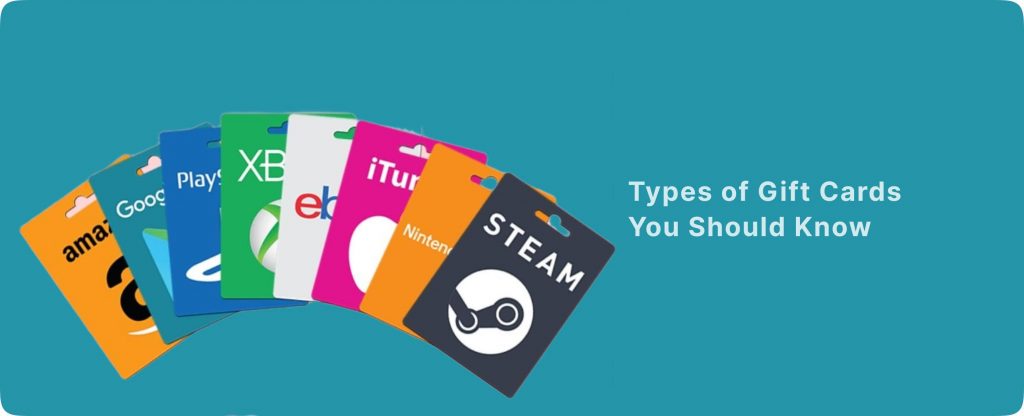
There are two main categories of gift cards: closed-loop and open-loop.
Closed-loop gift cards are restricted to one brand. Examples include Amazon, Steam, and iTunes cards. They can only be used within their specific platforms.
Open-loop gift cards, often issued by financial institutions, can be used in multiple locations, similar to debit cards.
Each type serves a different purpose, but both represent stored monetary value.
What is a Gift Card’s Real Value?
The face value of a gift card is clear: $50 means $50. But its real value depends on how you use it. If you regularly shop on Amazon, an Amazon gift card is equivalent to cash. If you don’t, it may feel limited.
However, platforms like Regiftme allow users to convert unwanted gift cards into cash or even cryptocurrency like USDT. This gives the card a broader financial meaning beyond its original store limitation.
If you ever need clarification about rates or trading processes, Regiftme also provides WhatsApp support at (+8619198157161), ensuring transparency and direct communication.
What is a Gift Card in the Crypto Economy?
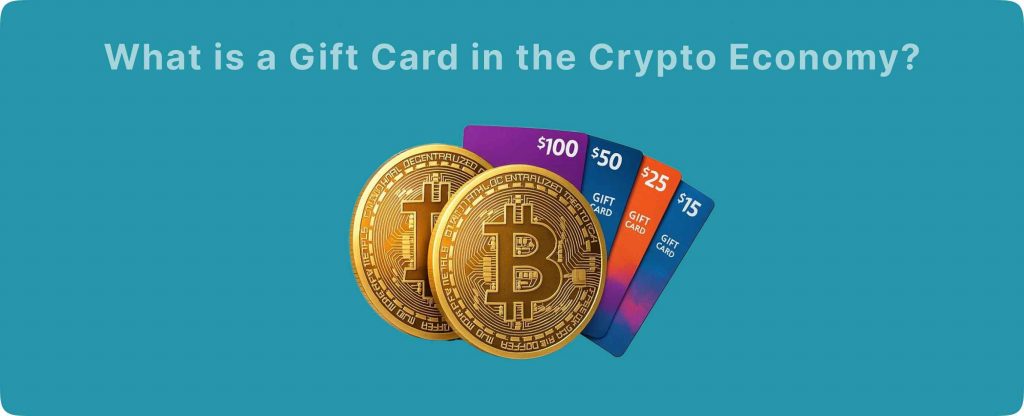
In recent years, gift cards have become surprisingly connected to cryptocurrency markets. Many traders convert gift cards into crypto assets such as USDT. Since USDT is a stablecoin pegged to the US dollar, it offers stability compared to other volatile cryptocurrencies.
This connection shows how gift cards now function within the larger digital finance ecosystem. They are no longer just presents; they are exchangeable digital value.
Understanding this relationship expands your financial flexibility.
The Risks and How to Stay Safe
While gift cards are convenient, they also attract scammers. Because redemption is irreversible, fraudsters often target sellers and buyers.
Common scams include fake buyers requesting codes before payment, phishing emails asking for card details, and unrealistic exchange rates.
Safety begins with using structured platforms rather than private, unverified individuals. Regiftme, for example, operates with clear verification processes and offers direct communication through WhatsApp (+8619198157161) to reduce uncertainty.
Patience and verification are your best protection.
Why Businesses Love Gift Cards
From a business perspective, gift cards increase customer loyalty and guaranteed spending. When someone receives a Steam or iTunes card, they are more likely to explore additional purchases beyond the card’s value. This benefits the brand.
Gift cards also introduce new customers. A person receiving an Amazon gift card for the first time may become a long-term shopper.
This dual benefit convenience for users and guaranteed revenue for businesses explains why gift cards remain globally popular.
Why Should You Care
Now that you understand the mechanics, the real question becomes personal. A gift card is not just a voucher, It is a stored value, It is purchasing power, It is flexible.
You can shop with it. Budget with it. Trade it. Convert it into crypto like USDT. Or exchange it securely through platforms such as Regiftme when you need liquidity.
The more you understand how it works, the more control you have over your digital finances.
