


In the buzzing tech hubs of Lagos and the fast-growing digital streets of Accra, gift card exchange has become more than a side hustle; it’s a real part of today’s online economy. From freelancers receiving payments in Steam, iTunes, or Amazon cards to students converting rewards into cash, gift cards now function like digital assets.
Yet despite how common they’ve become, many Nigerians and Ghanaians still rely on outdated beliefs when trading them. These misunderstandings often lead to poor decisions, low payouts, or even scams. Let’s carefully unpack the biggest Gift Card Exchange Myths people still believe and replace them with facts that can actually protect your money.
The Truth About Gift Card Exchange Myths and Platform Differences
One of the strongest misconceptions is that every exchange platform works the same way. Many sellers assume that once a rate looks attractive, nothing else matters.
In reality, platforms differ in verification systems, payout speed, customer service, and dispute handling. Some advertise high rates but lack proper balance checks. Others delay payments after redeeming cards.
Regiftme prioritize transparency and proper verification before payment. Instead of rushing transactions, they ensure every card is checked to avoid future issues. Sellers can confirm rates or processes directly via WhatsApp at (+8619198157161) before proceeding.
Why High Rates Are Not Always the Best Option
Another common belief is that the highest advertised rate automatically equals the best deal. Unfortunately, this assumption has cost many first-time sellers their cards.
Extremely high rates are sometimes used as bait. Unsuspecting sellers send their card details, only to face endless delays or complete silence afterward.
Smart trading requires balanced competitive rates combined with proven reliability. A slightly lower but guaranteed payout is often better than chasing unrealistic offers that come with hidden risks.
Not All Gift Cards Carry the Same Market Value
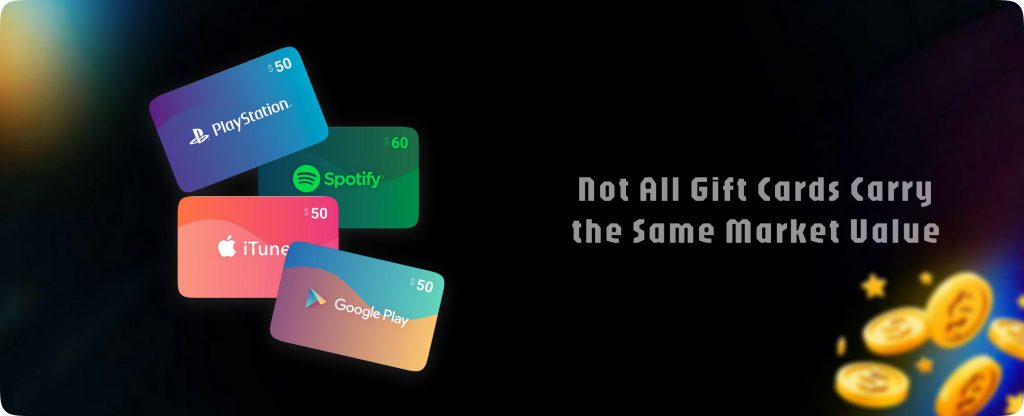
Many people assume that all popular gift cards are valued equally. That’s far from true.
Cards from Amazon, Apple (iTunes), and Valve Corporation (Steam) operate in different demand cycles. Amazon cards often maintain strong value due to their wide usability. Steam cards depend heavily on gaming demand. iTunes cards fluctuate based on region and currency.
Exchange rates are shaped by international supply and demand, not by how popular a brand appears locally.
Gift Cards and Cryptocurrency Are Not the Same Asset
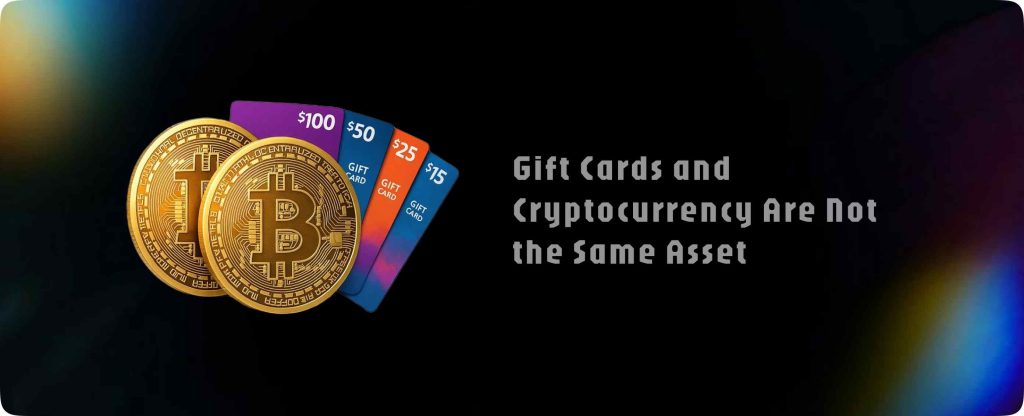
With the rise of crypto trading across Nigeria and Ghana, many people confuse gift card exchange with cryptocurrency trading.
Cryptocurrencies like Bitcoin and Tether (USDT) are blockchain-based and their value changes daily due to market volatility. Gift cards, however, are prepaid vouchers tied to specific companies.
Although some platforms pay sellers in USDT for convenience, that doesn’t turn gift cards into cryptocurrency. They remain separate financial tools with different risks and pricing systems.
Used or Partially Redeemed Cards Rarely Have Value
A persistent misunderstanding is that partially used cards can still be exchanged at full value.
Professional exchanges conduct strict balance verification. Once a card has been redeemed even slightly its resale value drops significantly or becomes zero.
Before initiating a trade, always confirm that the card is unused. Trusted platforms like Regiftme verify every card before releasing payment to protect both buyer and seller.
Physical Cards Are Not Automatically Safer Than E-Codes
Some sellers believe physical cards are more secure than digital codes. In reality, both formats carry risk if sourced improperly.
Physical cards can be tampered with before purchase. E-codes, when bought directly from verified retailers, often come with traceable receipts and timestamps.
Security depends more on authenticity and verification than on whether the card is physical or digital.
Verification Does Not Mean Delay or Scam on Gift Card Exchange Myths
There’s a belief that if a platform doesn’t pay instantly without checks, it must be unreliable. This assumption can be dangerous.
Verification processes protect both parties. Balance confirmation, region checks, and fraud screening are standard procedures in professional exchanges.
A buyer who skips verification entirely may not be acting responsibly. Proper checks signal professionalism, not dishonesty.
Location and Currency Strongly Influence Rates
Many sellers think rates are fixed globally. They’re not.
A US Amazon card may attract a different rate than a UK Amazon card. Steam cards in USD may differ from those in CAD or EUR. Currency strength, market demand, and international resale conditions all influence pricing.
Understanding this prevents unrealistic expectations and helps sellers negotiate wisely.
Smaller Platforms Can Still Be Trustworthy
Some believe only large international exchanges are safe. But size alone doesn’t determine credibility.
Smaller, specialized platforms often build strong reputations through consistency and customer support. Regiftme, for example, focuses on secure verification, competitive pricing, and direct communication. Sellers can easily confirm rates or processes through WhatsApp at (+8619198157161) before trading.
Trust should be based on track record and transparency not just brand visibility.
Gift Cards Are Legitimate Digital Assets
Perhaps the most damaging myth is that gift cards exist mainly for scams. While fraudsters misuse them, gift cards themselves are legitimate tools.
Freelancers receive them as international payments. Gamers purchase content with Steam cards. Families abroad send Amazon or iTunes cards as financial support. Businesses use them for rewards and incentives.
The issue isn’t the card, it’s the misuse by dishonest individuals. When exchanged through a reliable and verified platform, gift cards remain a valid and practical digital asset.
Conclusion on Gift Card Exchange Myths
The digital economy in Nigeria and Ghana continues to grow rapidly. Gift cards, crypto payments like USDT, and online trading platforms are now everyday realities.
But success in this space depends on knowledge. Understanding these Gift Card Exchange Myths can help you avoid costly mistakes, protect your assets, and maximize your payouts.
As gift card trading becomes even more common across West Africa, are you trading based on facts, or are you still holding on to old assumptions?
