


In today’s fast-moving digital economy, gift cards are more than presents tucked inside envelopes. They are tradable assets. From Steam vouchers used by gamers to Amazon balances sent by relatives abroad, and iTunes cards received as freelance payments, many Nigerians and Ghanaians now convert gift cards into cash regularly. But here’s the painful truth: not every trade goes through. Rejections happen and often, the seller is the reason. Understanding the most common Gift Card Exchange Mistakes can save you from frustration, delays, and lost value. Let’s walk through the errors that silently get trades rejected and how to avoid them.
Common Gift Card Exchange Mistakes That Lead to Rejection
One of the biggest Gift Card Exchange Mistakes is assuming every card is automatically tradable. Many sellers receive a gift card and immediately try to exchange it without checking the region, currency, or card type.
For example, a US Amazon card works differently from a UK Amazon card. A Steam card issued in USD may not carry the same value as one issued in EUR. Platforms verify these details carefully before approving trades.
Before initiating a transaction, always confirm the card’s origin, currency, and balance. A small oversight at this stage can result in an automatic rejection.
Submitting Already Redeemed or Used Cards
Another frequent issue is sending cards that have already been redeemed sometimes unknowingly. Professional exchanges conduct strict balance verification before payment.
When a Steam card from Valve Corporation or an iTunes card from Apple has been used, even partially, the system flags it immediately. Once redeemed, the card loses resale value.
To avoid this mistake, confirm the balance before submission. Trusted platforms like Regiftme verify cards thoroughly before payout to protect both parties.
Gift Card Exchange Mistakes Involving Wrong Region Selection
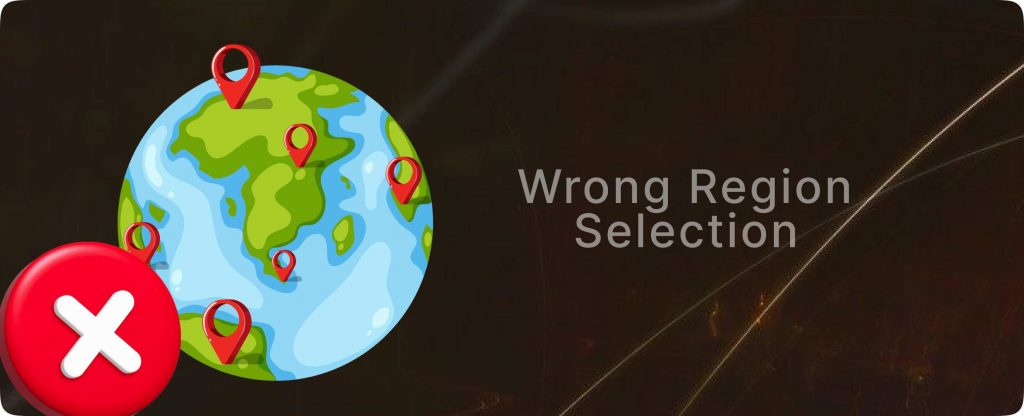
Region mismatch is one of the most misunderstood Gift Card Exchange Mistakes. Sellers sometimes list a card as US-based when it is actually from another country.
An Amazon card from Amazon tied to Canada, for instance, cannot be processed as a US card. Exchange systems detect these inconsistencies quickly.
Being transparent about the card’s region ensures smoother processing and accurate rate calculation.
Sharing Card Details with Multiple Buyers
In urgent situations, some sellers make the dangerous decision to send the same card details to different buyers simultaneously. This almost always leads to rejection.
When multiple redemption attempts occur within minutes, the card may be locked or flagged as suspicious. Platforms will immediately reject such trades to prevent fraud.
Security depends on discipline. Submit your card to only one verified platform at a time and wait for confirmation.
Gift Card Exchange Mistakes Caused by Poor Image Quality
For physical gift cards, image clarity matters more than most people realize. Blurry photos, cropped codes, or unclear receipts often cause delays or rejection.
Verification teams need clear visibility of the code, PIN, and in some cases, proof of purchase. Without readable details, the trade cannot proceed.
Always take well-lit, uncropped photos showing the full card and receipt if required.
Ignoring Verification Procedures
Some sellers grow impatient during verification. They assume that because the card is valid, payment should be instant.
However, verification protects everyone involved. Platforms check balance, region, and usage history before approving payouts. Skipping these steps would increase fraud.
Regiftme prioritizes secure verification before releasing funds. Sellers can confirm processes or ask questions directly via WhatsApp at (+8619198157161) before sending any card.
Gift Card Exchange Mistakes Related to Unrealistic Rate Expectations
Many rejections happen because sellers demand rates far above market value. Exchange rates are influenced by international demand, currency strength, and resale conditions.
A Steam card does not always carry the same rate as an Amazon card. An iTunes card’s value may fluctuate based on region. Market realities shape pricing.
Understanding that rates vary prevents conflict and reduces the likelihood of cancelled trades.
Submitting Fraud-Flagged or High-Risk Cards
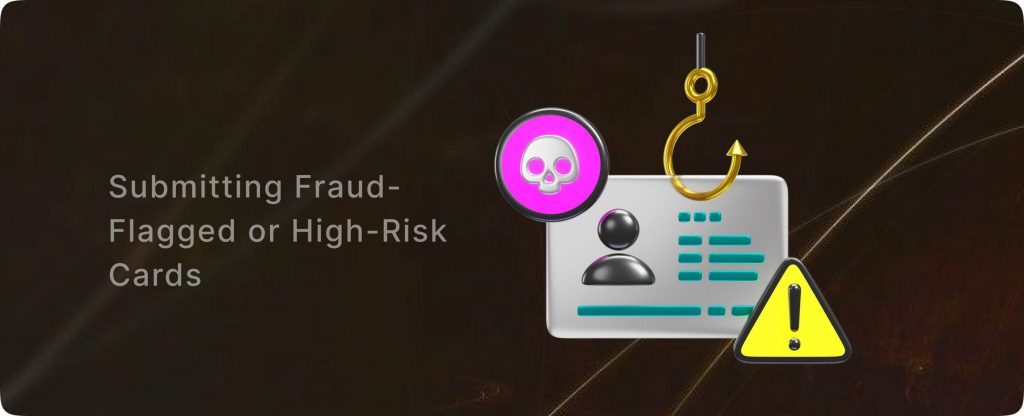
Gift cards purchased with stolen payment methods or suspicious transactions often get flagged during verification. Even if the seller was unaware, the system will reject such cards.
Professional exchanges use monitoring tools to detect high-risk patterns. This protects their operations and legitimate sellers.
To avoid rejection, only trade cards purchased directly from verified retailers or received from trusted sources.
Confusing Gift Card Trades with Crypto Transactions
Another issue arises when sellers mix up gift card exchanges with cryptocurrency trading. Crypto assets like Bitcoin or Tether (USDT) operate on blockchain networks and follow different transaction rules.
Gift card balances must be verified before payout. Crypto transfers, once sent, are irreversible. Mixing processes or providing incorrect wallet addresses can complicate payouts.
When receiving payment in USDT, double-check wallet details carefully to prevent mistakes.
Providing Incorrect Payment Information
Even when a card passes verification, incorrect bank details or wallet addresses can delay or cancel payment.
Small errors in account numbers or crypto wallet strings can create significant complications. Some platforms will hold funds until correct details are provided, while others may require additional verification.
Always review your payment information carefully before confirming the trade.
Choosing Unverified Platforms
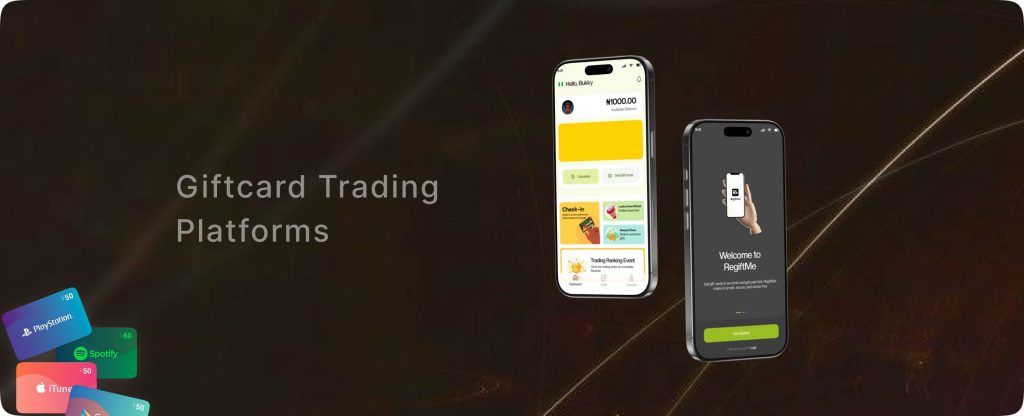
Finally, one of the most costly Gift Card Exchange Mistakes is selecting unreliable buyers. Some platforms promise extremely high rates but lack proper structure.
A secure exchange explains its verification steps, communicates clearly, and processes payments consistently. Regiftme focuses on structured transactions and responsive communication. Sellers can confirm rates, procedures, and payout options directly via WhatsApp at (+8619198157161).
Trust grows when transparency is present at every stage.
Conclusion
Gift card exchange is a powerful financial tool in Nigeria and Ghana’s digital landscape. From Steam and iTunes cards to Amazon balances and crypto settlements in USDT, digital assets now move quickly across borders.
But rejections are rarely random. They are often the result of avoidable errors, unclear images, region mismatches, reused cards, unrealistic rate demands, or rushed decisions.
By understanding these Gift Card Exchange Mistakes, you protect not just your trade, but your reputation as a reliable seller. In a space where trust and verification determine success, careful steps make all the difference.
